



Battery passport
Every battery with its own digital passport.From February 2027 for EVs, e-bikes and large storage systems.
The EU Battery Regulation requires a digital passport for every single battery in electric vehicles, light means of transport and industrial applications above 2 kWh, retrievable through a QR code. It accompanies the battery through its whole life, from manufacture through use and maintenance to repurposing and recycling. We make sure the data for it flows on open GS1 standards and stays readable for years.
A battery passport to scan.Live and on GS1 standards.
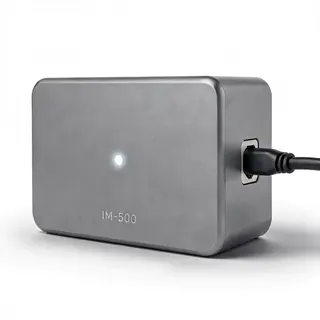
The industrial battery module is a complete sample passport under the EU Battery Regulation, retrievable through GS1 Digital Link. Scan the QR code with your phone or open the passport directly.
When it affects you.From 18 February 2027.
The date for the battery passport is settled. Some implementing rules from the Commission are still outstanding; that does not change the deadline.
- Q4 2026Expected
Access rights
The Commission sets out who may see which details in the passport.
- February 2027Confirmed
Battery passport and QR code
Required for batteries in electric vehicles, light means of transport and industrial batteries above 2 kWh. From the same day every battery carries a QR code.
- August 2027Confirmed
Due diligence obligations
Details on the origin of the raw materials in the supply chain.
- Open
Carbon footprint
The obligation takes effect once the Commission has adopted the calculation method.
As of October 2026. This overview is no substitute for legal advice.
What the battery passport holds
The passport brings together the key details about a battery: composition and materials, origin and recycled content, performance and durability, its current state as well as notes on dismantling and recycling.
Not every detail is visible to everyone. Some of it is public, some only for people with a legitimate interest such as workshops or recyclers, some only for authorities. Every passport belongs to exactly one battery. If a battery is repurposed or remanufactured, the new actor takes over responsibility, and the new passport is linked to the previous one.
Every stage supplies a part.From the cell to recycling.
Whoever places batteries on the market
Battery, vehicle and storage manufacturers as well as importers provide the passport and keep it current.
Suppliers of cells, modules and raw materials
They supply the details on composition, origin and recycled content that the passport is built from.
Repurposing, second life and recycling
They read state and dismantling data and carry the passport forward when the battery gets a second life.
Why open standards are the foundation
A battery lives longer than most IT systems. It changes owner, is maintained, perhaps rebuilt, and recycled in the end. The passport has to outlast all of that, no matter which software the parties happen to be running.
With GS1 Digital Link the QR code holds a web address that keeps working. A GS1 Conformant Resolver serves the appropriate details depending on the role, public or protected. And EPCIS 2.0 records what has happened to the battery over the years.
Many data models for one battery.We bring them together.
Several data models for the battery passport have emerged in recent years, from EU projects, from industry consortia and from GS1. They often describe the same details with different terms. Anyone building a passport has to settle on one model and risks that their partners use another.
We place these models side by side and map them onto each other. The OpenEPCIS reference (opens in a new tab) shows openly which detail corresponds to which, including for the data model of BatteryPass-Ready, whose supporting partner we are. That keeps your data connectable, whichever model your partners work with.
How we support you
One identifier per battery
Through its serial number every battery gets its own GS1 Digital Link address for the QR code.
Details according to role
The resolver shows consumers, workshops, recyclers and authorities the details intended for each of them.
Record the life cycle
Installation, maintenance, changes of state and second life as EPCIS events, traceable over years.
From the cell to the pack
Which cells sit in which module and which modules in which pack stays documented.
Check it up front
Passport data is validated against the data model before it is published. Missing mandatory details surface early.
Open and connectable
OpenEPCIS implements the GS1 standards openly. Your data stays usable even if you change your systems.
Let's talk about your battery passport
Which details you record yourself, which come from your suppliers and how they reach the passport depends on where you sit in the chain. That is best clarified together. The legal assessment is a matter for qualified legal advice, the robust data foundation comes from us.
Would you like to go deeper? All technical details on the battery passport are on openepcis.io.